


Power plants across the United States face critical challenges when their steam turbine and gas turbine equipment starts showing signs of degradation. Every power generation facility depends on reliable turbine performance to meet electricity demands and avoid costly outages.
Steam turbines operate under extreme conditions with specific temperature and pressure requirements. When these parameters shift outside normal ranges, the turbine rotor experiences increased stress that speeds up component wear.
Industrial facilities often run their turbines for decades past the original turbine design specifications. Changes in plant conditions, feedstock variations, and fluctuating loads push this equipment beyond safe limits. This creates common failure modes including seal wear, blade erosion, and casing material breakdown. Many repair facility inspections reveal that backup rotors sit unfit for service, creating serious risks if primary units fail during peak demand.
Two-shift operations required for peak electricity production put extreme stress on turbine services and maintenance schedules. These rapid starts and stops create thermal fatigue that weakens critical components. Low-load operation needed for grid stability reduces turbine performance and shortens equipment life through increased heat rates and mechanical stress.
Allied Power Group in Houston, Texas, leads the industry in specialized turbine rotor repair services that address these complex problems. In this article, we’ll discuss the common damage modes of industrial turbines.
Key Takeaways
- Power plant turbines face accelerated degradation when operating outside design parameters
- Common failure modes include seal wear, blade erosion, and material fatigue in high-stress zones
- Backup rotors often remain unfit for emergency use, creating major operational risks
- Peak demand cycling and low-load operations significantly reduce turbine maintenance intervals
- Professional turbine repair services prevent catastrophic failures during critical power generation periods
- Regular inspections help maintain performance and reliability of aging turbine equipment
Common Turbine Rotor Damage Modes
Steam turbine repairs involve understanding various damage patterns that impact rotor repair and system performance. Power plant operators face numerous challenges as steam turbine parts deteriorate over time. Each type of mechanical damage necessitates specific repair strategies to extend the life of critical components and maintain efficient steam flow.
Flow Path Component Degradation and Foreign Object Damage
Foreign objects entering the steam path cause severe damage to turbine blade assemblies and nozzle components. Small particles create erosion patterns that distort the aerodynamic profiles of blades. This degradation affects pressure distribution and reduces efficiency in impulse turbines.
Dust and moisture accumulation leads to fouling that changes blade surfaces and clogs critical clearances. Salt deposits bind to metal surfaces, accelerating corrosion processes. Oil contamination collects particles that further damage the control rotor assembly.
These conditions require a thorough refurbishment to restore proper steam seal function and mitigate ongoing deterioration.
Bearing Surface Damage and Journal Degradation
Journal bearings support massive radial and axial loads through hydrodynamic oil films. When contamination enters the lubricant system, metal-to-metal contact occurs. This contact causes babbitt material to wipe away from bearing surfaces.
The repair involves precision grinding to restore proper clearances and surface finish specifications.
DC lube oil systems protect equipment during emergency shutdowns. Battery failures or control logic problems eliminate this protection. Without proper lubrication, bearing surfaces experience rapid wear that requires extensive rotor repair procedures.
Thermal Fatigue and Creep in High-Temperature Zones
High-temperature exposure causes creep deformation in first-stage blades where metal loses structural rigidity. Temperature cycling creates stress patterns that lead to crack initiation. Deposits on blade surfaces interfere with heat transfer and create hot spots.
These conditions accelerate material degradation beyond OEM design limits.
| Temperature Zone | Primary Damage Type | Repair Method |
|---|---|---|
| First Stage (950-1050°F) | Creep deformation | Blade replacement with upgraded alloys |
| Middle Stages (750-950°F) | Thermal fatigue cracks | Weld repair with heat treatment |
| Last Stage (300-400°F) | Stress corrosion | Surface treatment and coating |
Combustion problems create temperature differentials across the casing that cause distortion. This distortion affects diaphragm alignment and increases steam leakage between stages. Cost-effective solutions include selective weld repairs to restore proper clearances.
Blade Liberation and Mechanical Failure Mechanisms
Blade liberation represents catastrophic failure when resonance frequencies shift outside design ranges. Foreign material buildup in cooling passages restricts blade movement and alters natural frequencies. Structural weld failure at blade attachments releases components into the steam path.
These liberated parts cause cascading damage to downstream diaphragm and nozzle assemblies. Stress corrosion affects last-stage blades exposed to wet steam conditions. High tensile loads combined with moisture create crack propagation paths.
Nozzle failures from erosion change steam flow patterns and increase vibration levels. Diaphragm repair becomes necessary when pressure imbalances cause mechanical damage to seal surfaces.
Critical Inspection and Diagnostic Techniques for Turbine Rotors
Regular inspection is key to keeping turbine systems running smoothly and catching issues early. Modern diagnostic tools help spot damage patterns that need immediate attention. This ensures turbines operate efficiently and reliably by catching problems before they escalate.
Advanced phased array technology allows for detailed blade attachment inspections without disassembling. This method saves time and provides detailed information on blade material conditions. Rotor shaft inspections check the entire volume for any operational or manufacturing defects that might require repair.
Material verification testing is the cornerstone of making smart repair decisions. Key inspection areas include:
- Valve casings and control systems needing structural repairs
- Rotor shafts requiring critical fit area restoration
- Rotating and stationary blades affected by high temperatures
- Diaphragms and carriers needing advanced repair methods
Performance modeling and stress analysis tools optimize steam turbine repair services. These tools compare flow rates to original design specs. Monitoring bearing temperatures and analyzing vibration trends helps detect problems early. Oil sampling programs also keep systems quality high and prevent unexpected failures.
Real-world examples highlight the importance of thorough inspection and repair. Geothermal plants often need complete steam path re-engineering after blade damage. Backup rotors, if not properly maintained, require restoration before use. Foreign material exclusion programs protect turbine feeding systems from contamination.
These inspection techniques guide the selection of repair methods. They help technicians make informed decisions about weld repair, heat treatment, and dynamic balancing. Regular diagnostic evaluations ensure turbines operate at peak performance, reducing the need for emergency spare parts replacement.
Advanced Repair Methods and Restoration Strategies
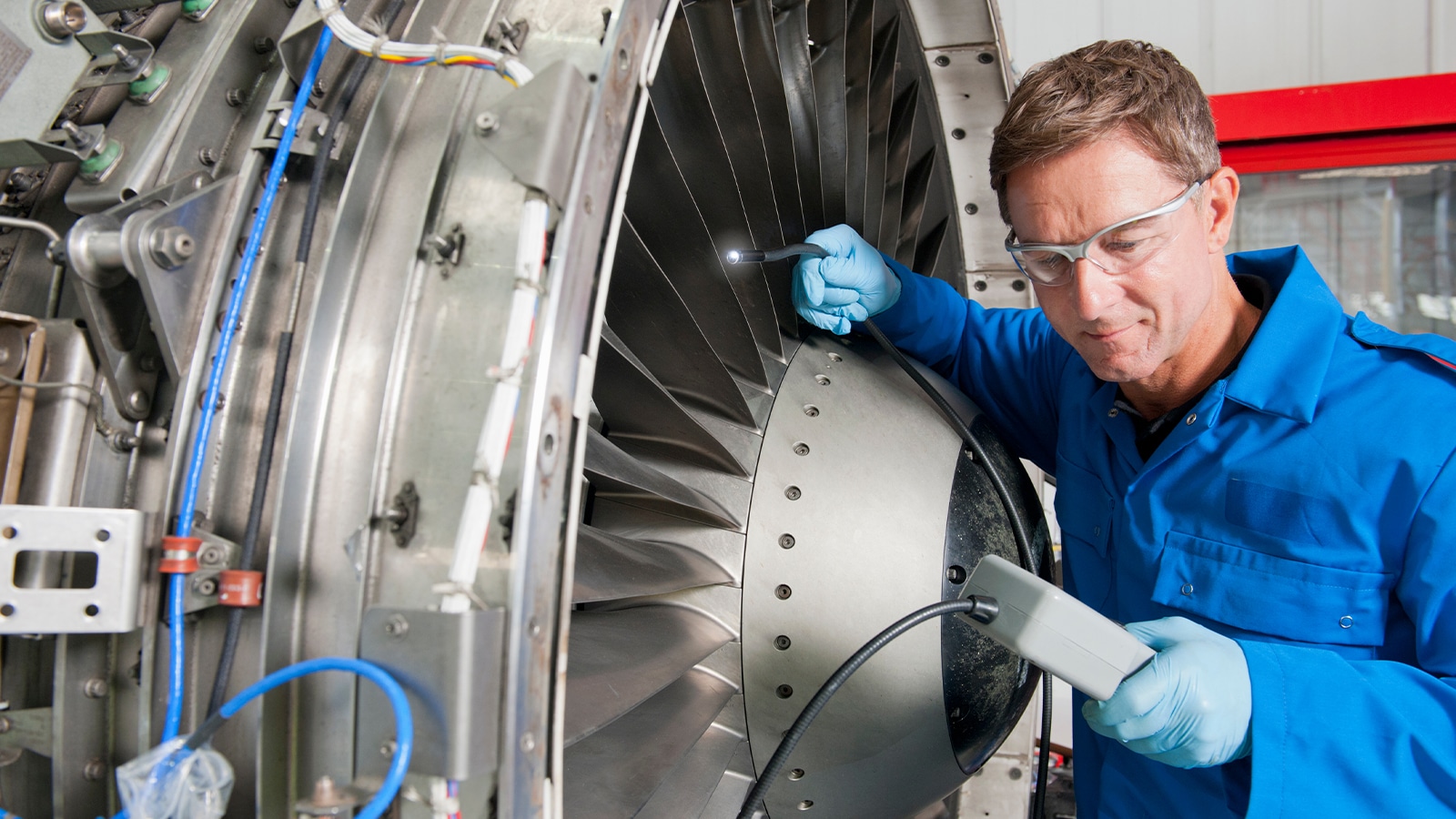
Modern turbine repair techniques merge precision engineering with advanced materials science. This combination aims to restore rotors to their peak operating conditions. These specialized procedures focus on critical wear zones, ensuring strict quality standards are met. Each repair method significantly impacts the thermodynamic performance and efficiency of the turbine system.
Weld Repair Techniques and Post-Weld Heat Treatment
Electron beam welding offers unmatched precision in joining critical turbine components. It creates strong bonds without generating excessive heat zones that can weaken surrounding materials. Post-weld heat treatment then relieves internal stresses and prevents future cracking. The temperature control during this treatment ensures the material properties remain within specifications.
Critical Fit Area Restoration and Journal Grinding
Journal grinding restores damaged bearing surfaces to exact dimensional tolerances. Technicians remove worn babbitt material and apply fresh coatings to specification. Precision measurements guide the grinding process to achieve proper clearances between rotating and stationary parts. This restoration work prevents excessive vibration and extends bearing life significantly.
Blade Material Replacement and Steam Path Refurbishment
Replacing damaged blades requires careful selection of materials that match or exceed original specifications. Engineers analyze blade resonance patterns to prevent future failures. Nozzles and sidewalls undergo restoration to optimize steam flow characteristics. Mechanically assembled diaphragms receive thorough inspection and precise alignment during reassembly. One geothermal facility gained 2.5 MW additional output through complete steam path refurbishment without increasing steam consumption.
Dynamic Balancing and Rotor Alignment Procedures
Precision balancing corrects weight distribution issues caused by blade loss or uneven wear patterns. Technicians use specialized equipment to identify imbalance points and apply corrective weights. Proper alignment procedures ensure smooth operation at high speeds. These targeted interventions have extended rotor service life from 2 years to over 24 years in documented cases.
Conclusion
Turbine rotor repair demands a holistic approach, focusing on the underlying causes of failure. Allied Power Group exemplifies this in our Houston facility. We combine advanced restoration methods with strategic maintenance planning. This strategy minimizes downtime and prolongs equipment life in power generation settings.
Effective turbine management merges immediate repair solutions with proactive maintenance. Regular inspections, based on operating hours and conditions, prevent major failures. Key components like steam turbine valves and electrical circuits are thoroughly tested. Dual-fuel systems, in particular, require careful attention to liquid fuel components for backup readiness.
Ensuring long-term turbine reliability hinges on data-driven decisions and ongoing improvement. Monitoring water chemistry prevents corrosion damage. Strict quality control during outages ensures repairs adhere to original specifications. Adopting a predictable maintenance model transforms operations from firefighting to strategic asset management. This approach reduces operational risks and lowers total costs for power generation facilities.
Frequently Asked Questions
What are the most common failure modes in steam turbine rotors?
Common failures include damage from foreign and domestic objects, and wear on bearing surfaces. High temperatures can cause thermal fatigue and creep. Blade liberation due to resonance is another issue. Stress corrosion cracking in wet steam-exposed blades and erosion of turbine surfaces are also common. Diaphragms and steam seals can degrade over time. These problems often stem from overuse, poor maintenance, or prolonged exposure to heat.
How does Allied Power Group approach turbine repair services for power plant operators?
Allied Power Group, based in Houston, Texas, offers detailed turbine repair services. They use advanced diagnostics like phased array inspection for complex blade attachments. They also assess component lifetimes and model performance to predict failures. Their goal is to extend equipment life through cost-effective repairs, using specialized techniques and OEM guidelines.
What inspection and repair methods are used for rotor repair in gas turbines and steam turbines?
EthosEnergy employs advanced phased array techniques for blade inspections. They examine rotor shaft materials for defects and monitor vibration and bearing temperatures. Repair methods include electron beam welding and journal grinding. They also restore critical fit areas and perform post-weld heat treatment. Dynamic balancing and steam path refurbishment improve performance and efficiency.
How can power plant operators mitigate erosion and extend the life of turbine blades?
Regular washing with demineralized water reduces compressor blade fouling. Anti-corrosion and anti-fouling coatings enhance blade durability. Foreign Material Exclusion programs prevent debris entry. Continuous water chemistry monitoring and maintaining steam quality are key. Timely repairs of worn seals and nozzles also help extend blade life.
What role does heat treatment play in structural weld failure prevention during turbine maintenance?
Post-weld heat treatment is essential for preventing weld failures in turbine casings and diaphragms. It relieves welding stresses, prevents cracking, and ensures material integrity. This process is critical in high-stress areas exposed to thermal cycling. Material verification testing confirms the welds’ mechanical properties for reliability.
How do outage planning and repair strategies impact turbine performance and reliability?
Effective outage planning includes thorough inspections and repair programs. It assesses spare parts availability and ensures quality control. Strategic planning evaluates backup rotors and schedules valve overhauls. Advanced repair facilities can fully refurbish turbines, including diaphragms and steam seals. Proper management reduces downtime, maintains efficiency, and optimizes performance.