

Your Power Partner
When and Why to Overhaul a Turbine

Power generation facilities rely on turbines to meet energy demands across the United States. Plant operators must decide when to schedule major maintenance for gas or steam turbines. The choice between proactive maintenance and reactive component repairs can save millions of dollars.
Modern maintenance strategies move beyond calendar-based scheduling. Companies like Allied Power Group use advanced monitoring systems to track turbine performance in real time. This approach ensures optimal performance and reduces downtime. It allows for more accurate predictions of equipment needs.
A timely turbine overhaul protects your investment and ensures consistent power generation. Smart maintenance planning extends equipment life and prevents catastrophic failures. Understanding your turbine’s condition and recognizing early warning signs is key.
Key Takeaways
- Regular turbine overhaul schedules prevent unexpected failures and costly emergency repairs
- Gas turbine and steam turbine systems require different maintenance strategies based on operating conditions
- Advanced monitoring technology helps predict optimal performance windows for scheduled maintenance
- Allied Power Group specializes in customized overhaul programs for various turbine models
- Proper maintenance strategies can extend turbine life beyond 100,000 operating hours
- Power generation efficiency improves significantly after a thorough turbine overhaul
The Fundamentals of Turbine Overhaul
A turbine engine overhaul is a critical maintenance process in power generation. It goes beyond simple repairs to enhance efficiency and reliability. Knowing the difference between an overhaul and regular maintenance helps operators make better decisions about their equipment.
What Constitutes a Complete Turbine Overhaul
A complete overhaul involves a thorough inspection and maintenance of major turbine components. The process includes disassembling the unit, checking each part for wear, and replacing or refurbishing as necessary. The original equipment manufacturer provides detailed procedures for each step.
- Turbine blades and vanes
- Combustion chambers and fuel nozzles
- Compressor sections
- Exhaust systems
- Cooling and lubrication systems
- Control and monitoring equipment
Difference Between Routine Maintenance and Overhauls
Routine maintenance ensures turbines operate smoothly between major service intervals. It happens often and focuses on preventive care. An engine overhaul, on the other hand, requires complete disassembly and addresses wear across all systems.
| Aspect | Routine Maintenance | Major Overhaul |
|---|---|---|
| Frequency | Monthly/Quarterly | Every 25,000-50,000 hours |
| Duration | 1-3 days | 3-6 weeks |
| Scope | External inspections | Complete disassembly |
| Cost Range | $10,000-$50,000 | $500,000-$2,000,000 |
| OEM Involvement | Limited | Extensive |
Critical Signs That Indicate Your Turbine Needs an Overhaul
Identifying when your turbine needs major service can avoid expensive failures and unexpected downtime. Regular monitoring helps spot warning signs early, preventing serious issues. Operators must conduct systematic checks and measurements to assess their equipment’s condition.
Performance Degradation Indicators
A decrease in power output often signals worn components affecting efficiency. Fuel consumption may rise by 5-10% if turbine blades deteriorate. Temperature variations across different sections indicate internal problems needing immediate attention.
Key performance metrics to monitor include:
- Power output reduction beyond 3% baseline
- Exhaust temperature increases above normal ranges
- Pressure ratio changes across compressor stages
- Vibration levels exceeding manufacturer limits
Visual Inspection Red Flags
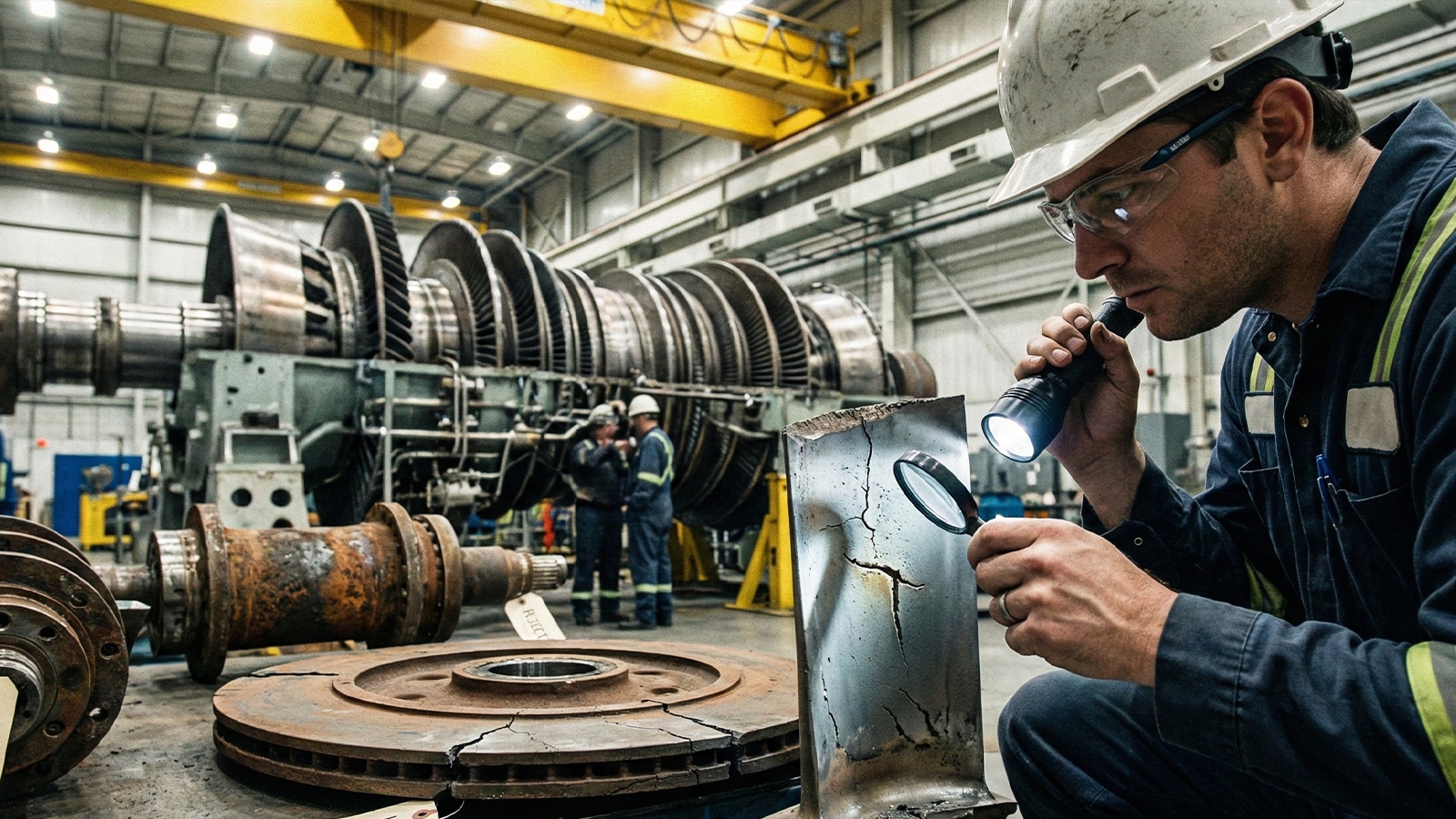
Visual inspection uncovers surface defects missed by standard monitoring. Corrosion shows as discolored patches on metal surfaces, often near exhaust areas. Non-destructive testing methods like fluorescent penetrant inspection detect hairline cracks invisible to the naked eye.
Turbine blades with pitting, erosion marks, or coating loss require an overhaul. X-ray technology and ultrasonic testing provide detailed internal views without disassembly. These methods reveal wall thickness reduction and material fatigue before catastrophic failure occurs.
Operational Warning Signs
Unusual sounds during operation suggest mechanical issues requiring investigation. Grinding noises indicate bearing problems, while whistling sounds point to seal leakage. Changes in startup behavior or longer acceleration times signal that components need replacement. Engine vibration patterns shifting from baseline readings warrant immediate inspection to prevent extended downtime.
The Strategic Timing of Turbine Overhauls
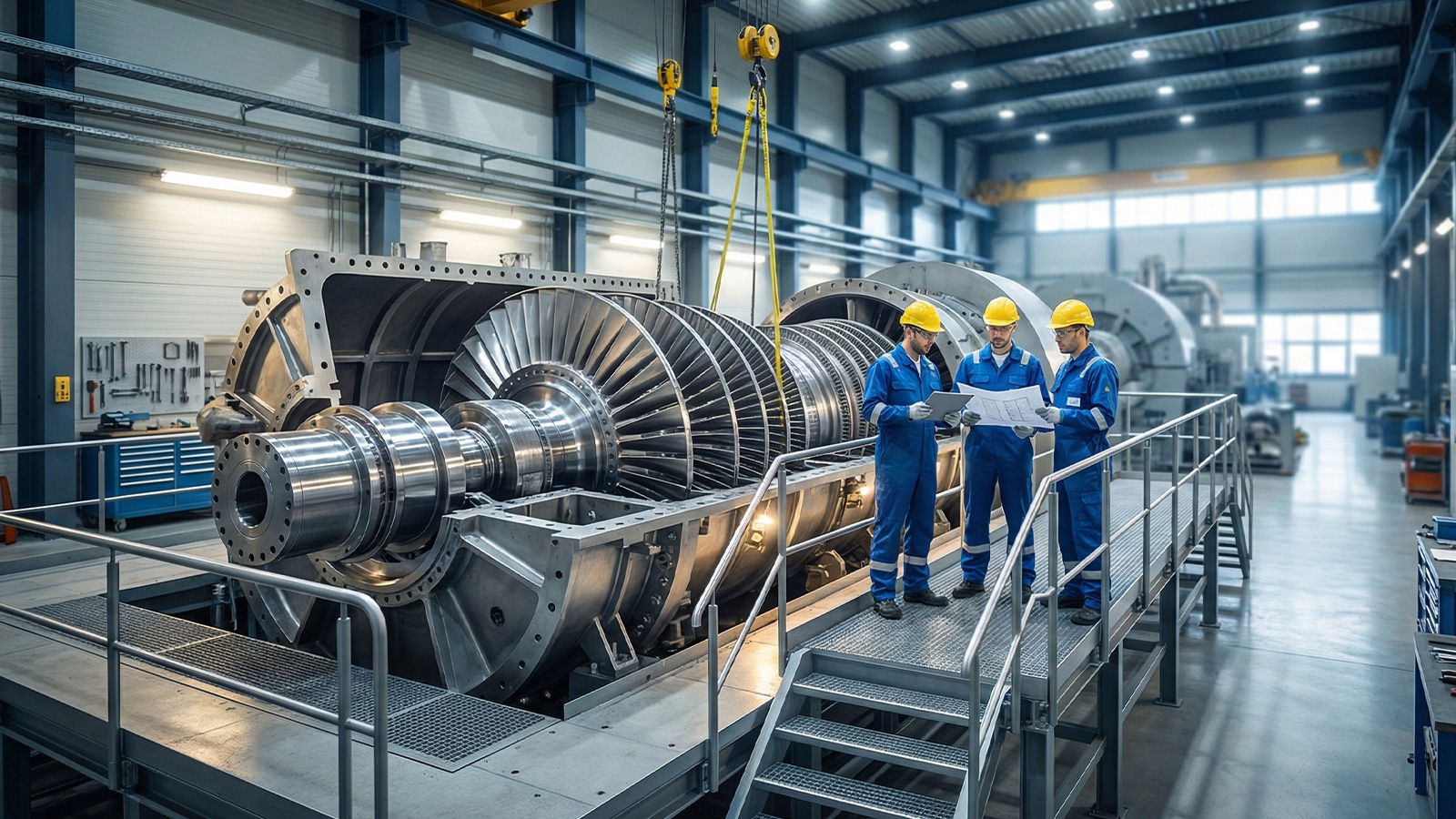
Timing turbine overhauls correctly is key to your facility’s reliability and efficiency. It involves planning around various factors that influence turbine performance. By scheduling overhauls wisely, you avoid costly downtime and extend your equipment’s life.
Manufacturer-Recommended Intervals
Engine makers offer overhaul interval guidelines based on thorough testing and real-world data. Siemens Energy advises scheduling overhauls 18 months ahead to manage resources effectively. General Electric recommends major checks every 24,000 to 32,000 hours. Solar Turbines suggests intervals at 30,000 hours for most industrial settings. These are foundational maintenance schedules that facilities should adhere to.
Operating Hours vs. Start Cycles
Turbines wear down differently based on how they’re used. Operating hours reflect continuous stress, while start cycles cause thermal shock. A turbine running 8,000 hours a year with 50 starts needs different maintenance than one with 4,000 hours and 200 starts. Regular checks help monitor both metrics for the best scheduling.
Environmental and Operational Factors Affecting Timing
Several factors can speed up wear and change when overhauls are needed. Coastal areas face salt corrosion, while desert operations deal with sand erosion. Load changes and fuel quality also affect component lifespan. Keeping detailed records is essential for maintaining efficiency and reliability throughout the turbine’s life.
Types of Turbine Overhaul Procedures
Gas turbines need varied inspections and maintenance throughout their life. Each overhaul targets specific components based on hours, starts, and condition. A well-thought-out maintenance plan ensures peak performance and avoids unexpected shutdowns.
Hot Gas Path Inspections
Hot gas path inspections focus on turbine blades and internal parts exposed to high temperatures. Technicians check vanes, nozzles, and transition pieces for damage and wear. These checks happen every 24,000 hours or 400 starts. Spotting wear early prevents major failures and extends the equipment’s life.
Major Overhauls
A major overhaul is the most detailed maintenance for gas turbines. It involves disassembling the unit, removing the rotor, and inspecting all key components. Technicians replace worn parts, refurbish salvageable ones, and update control systems. Major overhauls occur every 48,000 to 96,000 hours, based on the manufacturer’s guidelines and operating conditions.
Combustion Inspections
Combustion inspections examine the combustion chamber, fuel nozzles, and ignition systems. These checks happen every 8,000 to 12,000 hours. Technicians look for carbon buildup, nozzle wear, and flame stability issues. Regular maintenance of the combustion system prevents efficiency drops and cuts emissions.
Allied Power Group’s Specialized Overhaul Approaches
Allied Power Group uses advanced diagnostic tools like vibration analysis, 3D scanning, and robotic inspections. Their maintenance plan includes predictive analytics for effective outage scheduling. Digital twin technology models turbine performance, and non-destructive testing checks rotor integrity without disassembly. These modern methods reduce downtime and improve inspection accuracy.
| Overhaul Type | Typical Interval | Key Components Inspected | Average Duration |
|---|---|---|---|
| Combustion Inspection | 8,000-12,000 hours | Fuel nozzles, liners, crossfire tubes | 3-5 days |
| Hot Gas Path Inspection | 24,000 hours | Blades, vanes, transition pieces | 10-14 days |
| Major Overhaul | 48,000-96,000 hours | Rotor, bearings, all critical components | 30-45 days |
The Complete Turbine Overhaul Process
A successful turbine overhaul demands meticulous planning and execution across various phases. Each stage is critical in restoring equipment performance and addressing degradation causes. Plant maintenance teams can achieve the best results by adhering to established best practices throughout the overhaul process.
Pre-Overhaul Assessment and Planning
Effective planning begins with meetings with service engineers to outline the scope of work and identify required spare parts. Teams review diagnostic data from performance monitoring systems to grasp the equipment’s condition. This phase identifies upgrade opportunities that can enhance design while controlling repair costs.
Assessment activities involve collecting operational history and performance metrics. Engineers analyze these trends to spot patterns indicating component wear or fatigue. This information guides decisions on refurbishment priorities and helps avoid unplanned outages.
Disassembly and Inspection Procedures
Careful disassembly uncovers the turbine’s true condition. Technicians document each component’s status using advanced inspection methods. X-ray examination and fluorescent penetrant testing uncover internal flaws that visual inspection might overlook. These maintenance and repair techniques pinpoint areas needing attention.
Component Refurbishment and Replacement
Damaged parts undergo specialized treatment, including weld repairs and heat treatments. Vacuum heat furnaces alter material properties at the molecular level. Components undergo microhardness testing and stress rupture evaluation to confirm integrity post-refurbishment.
Replacement decisions weigh cost against remaining service life. Engineers assess whether upgrading to newer designs offers better value than repairing existing components. This strategy supports reducing downtime and maximizing equipment reliability.
Reassembly and Testing Protocols
Final assembly demands precision to ensure proper alignment and clearances. Full-speed testing validates repair quality before returning equipment to service. High-speed balance facilities with vacuum capability test generator rotors under operational conditions. These protocols confirm that all work meets reliability standards and supports extended operation between future overhauls.
How Allied Power Group is Your Power Partner For Turbine Overhauls
When turbines operate at peak capacity, every component must work in perfect harmony. Allied Power Group brings specialized expertise to ensure your turbine generator systems maintain optimal operational efficiency through thorough overhaul services. With decades of experience in industrial gas and steam turbine repair, the company has built a reputation for restoring performance and reliability even in the most challenging situations.
The team at Allied Power Group excels in mechanical engineering solutions that address critical system components. From oil pump failures to catastrophic blade damage, their engineers diagnose problems using advanced NDT techniques and 3D scanning technology. This systematic approach ensures reliable operation by identifying root causes, not just treating symptoms. The company’s cross-functional teams combine materials science expertise with hands-on turbine knowledge to deliver results that enhance engine performance.
What sets Allied Power Group apart is their ability to manufacture custom replacements when original parts become obsolete. Their aftermarket solutions for V84.2 engines include upgraded combustor hardware, diffusion-burner assemblies, and rotor components designed to exceed industry standards. Each turbine generator undergoes rigorous testing, including full-speed validation, to guarantee long-term operational efficiency.
- Reverse engineering capabilities for obsolete parts
- Specialized heat treatments and welding procedures
- Complete overhaul solutions from assessment to testing
- Custom upgrades that improve original design limitations
By partnering with Allied Power Group, power plants gain access to extensive overhaul services that restore system components to optimal condition. Their commitment to performance and reliability ensures turbines operate efficiently for years to come.
Conclusion: Ensuring Turbine Reliability Through Strategic Overhauls
Strategic turbine overhauls are key to reliable operations in power generation and aircraft maintenance. Regular TBO intervals keep turbines at peak efficiency, avoiding costly shutdowns. The success of these overhauls hinges on timing and execution. Though a major overhaul may seem costly, it safeguards your investment and ensures smooth operations for years.
Each overhaul requires a tailored approach, considering the affected components and operational needs. Power plants that neglect maintenance face risks like unexpected failures, safety hazards, and high repair costs. Proactive planning is essential, and partnering with experts like Siemens Energy or General Electric is vital for specialized care.
Maximizing turbine reliability involves combining modern technology with established maintenance practices. Whether managing aircraft engines or industrial turbines, success relies on balancing scheduled overhauls with daily operations. Committing to regular inspections and timely overhauls can extend your turbines’ lifespan. This approach ensures predictable performance, reduces downtime, and boosts your investment returns.