

Your Power Partner
Steam Turbine Blade Erosion Solutions
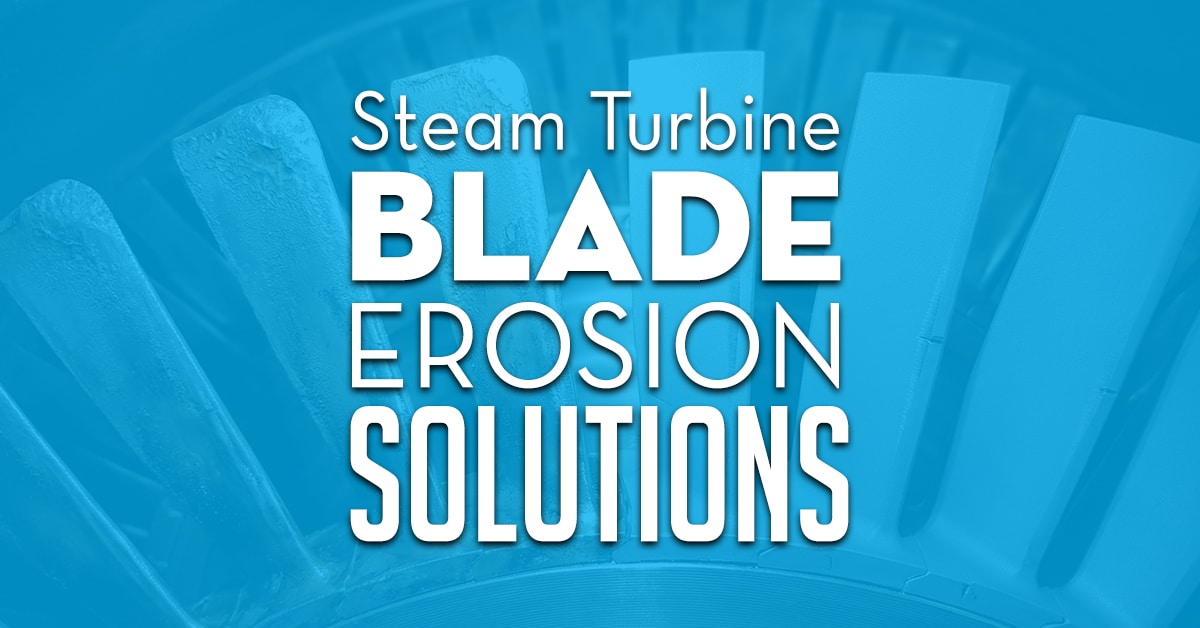
Your power generation facility faces a critical challenge that quietly erodes turbine efficiency and increases costs. Material loss from erosion occurs when high-velocity water droplets or solid particles collide with turbine blade surfaces during operation. This erosion damage can reduce your facility’s overall efficiency by up to 5% if left unaddressed.
At Allied Power Group in Houston, TX, we collaborate with facilities like yours to deploy proven methods for erosion protection and steam turbine repair. Your operation needs proactive blade erosion solutions to maintain turbine performance and avoid unexpected downtime.
Key Takeaways
- Material loss from erosion can decrease turbine efficiency by up to 5%
- High-velocity water droplets cause gradual blade surface damage in low-pressure operations
- Protective coatings and erosion-resistant materials extend the life of critical components
- Enhancing steam quality and proper maintenance reduces erosion at the source
- Proactive erosion protection costs less than reactive repairs and prevents costly forced outages
Understanding Blade Erosion Challenges
Blade erosion represents a significant threat to your steam turbine performance. Low-pressure stages where wet steam conditions prevail are most vulnerable to erosion damage. Unlike normal wear, turbine blade erosion results from high-velocity impacts that compromise blade surfaces.
Water Droplet Impact
Water droplet erosion occurs when steam expands and cools, causing moisture to condense. These microscopic droplets become destructive projectiles traveling at velocities up to 300 meters per second, impacting blade leading edges repeatedly. This hammering effect creates micro-pits, leading to material loss and surface roughening.
Operating below design steam temperature exacerbates erosion damage. Off-design conditions promote premature condensation in steam passages, causing severe erosion. The leading edge of each turbine blade faces the most severe turbine erosion. Contaminants in condensate systems can lower fluid quality and promote additional corrosion mechanisms.
Performance Impact
When blade surfaces roughen and blade geometry distorts, aerodynamic performance deteriorates rapidly. Your facility experiences increased fuel consumption to generate the same output. One facility lost more than 5% generating capacity due to erosion damage.
As material erodes unevenly from low-pressure blades, your rotor loses balanced mass distribution. This generates vibrations that propagate through bearings and seals. Research indicates that blade erosion contributes to approximately 20% of unplanned outages in steam turbine power plants.

Proven Steam Turbine Blade Erosion Solutions
Protective Coating Systems
Protective coatings are your most accessible solution for reducing erosion. These specialized treatments act as an erosion shield against high-velocity water droplets. Modern coatings can extend the lifespan of turbine blades by up to 50%.
Stellite coatings represent premium erosion protection technology. These cobalt-chromium-tungsten alloys resist erosion exceptionally well and can be applied through weld or thermal spray processes. Titanium nitride coatings form durable layers that withstand repeated impacts. Ceramic coatings offer excellent thermal stability for high-temperature stages.
Installation costs are a fraction of new blade procurement expenses. Many coatings can be applied in situ during scheduled outages, reducing downtime. Reapplication intervals typically range from 2 to 5 years, depending on steam conditions and operational hours.
Advanced Material Solutions
When coatings cannot adequately address erosion challenges, upgrading to advanced blade material offers a permanent solution. These materials fundamentally change how blades resist erosion, extending component blade life by 60% or more.
High-chromium stainless steels offer excellent resistance to erosion due to enhanced hardness. Titanium alloys represent the premium choice for harsh conditions, offering exceptional strength-to-weight ratios while delivering outstanding blade durability.
Research demonstrated that 3D-printed titanium blades achieve 40% reduction in erosion while maintaining aerodynamic performance. Material selection requires careful analysis of your operational parameters, including steam temperature profiles and moisture content.

Best Practices for Erosion Control
At Allied Power Group, we implement control strategies that combine inspection programs, steam quality optimization, and expert technical support to reduce erosion and extend the lifespan.
Inspection and Maintenance
Diagnostic programs detecting erosion damage early in the foundation. Endoscopic inspections allow visual examination of blade surfaces during scheduled outages without complete disassembly. These inspection methods identify erosion patterns, coating degradation, and turbine deposition before they cause secondary damage.
Vibration analysis detects rotor imbalance from uneven erosion, providing early warning signals. Proper maintenance of drainage systems prevents water accumulation in low-pressure stages. Weld and braze repairs address localized erosion damage on blade leading edges.
Steam Quality Optimization
Optimizing steam conditions addresses root causes. Maintaining appropriate superheat ensures steam remains in the vapor phase, preventing premature condensation that creates erosive droplets. Superheated steam carries significantly less moisture than saturated steam, directly reducing water droplet formation in blading.
Installing coalescent filters removes microscopic droplets from your steam flow. A Brazilian facility achieved a 70% reduction in water droplet erosion after implementing filtration technology. Effective drainage systems prevent moisture accumulation and re-entrainment.
Partner with Expertise
At Allied Power Group in Houston, TX, we offer the technical knowledge necessary to diagnose your specific erosion challenges and implement appropriate solutions. Our technicians perform in-situ coating applications, repair damaged blades with significant surface loss, and perform precision balancing after component replacements.
Beyond immediate repairs, they help develop long-term erosion management strategies integrating protective technologies and optimized operating procedures. For facilities throughout Texas, their local presence means rapid response during unplanned outages.
Conclusion
Blade erosion significantly affects turbine efficiency and profitability. The strategies outlined—from protective coatings to advanced materials and enhanced steam conditions—effectively combat this challenge. Severe erosion can alter blade geometry and natural frequencies, leading to vibration problems and potential fatigue failure.
At Allied Power Group, we offer the expertise needed to tackle erosion challenges. Our team assesses your turbine fleet, identifies vulnerabilities, and recommends effective protection strategies covering coating applications, material upgrades, and steam conditioning improvements.
Contact us at Allied Power Group to schedule your erosion assessment and create a comprehensive protection plan safeguarding your steam turbine investment.
FAQ
What causes steam turbine blade erosion?
Water droplet erosion occurs when steam expands and cools, forming microscopic droplets that impact blade leading edges at velocities up to 300 m/s. This repetitive mechanical damage leads to material loss. Erosion accelerates when operating below design steam temperature or at reduced loads. Contaminants in the main steam or condensate compromise quality, while inadequate drainage and turbine deposition further contribute to erosion damage.
How effective are protective coatings for reducing erosion?
Protective coatings can extend the lifespan of turbine blades by 50% or more. Stellite coatings applied through thermal spray or weld processes offer outstanding resistance to erosion. Titanium nitride provides exceptional hardness, creating an erosion shield. These coating systems cost a fraction of blade replacement and can often be applied in situ during scheduled outages, making them highly cost-effective, proven methods for erosion protection.
Can advanced materials eliminate blade erosion?
Advanced materials like titanium alloys and high-chromium stainless steels can reduce erosion rates by 60% compared to conventional blade material. While they cannot completely eliminate erosion in low-pressure stages where wet steam naturally forms, these materials fundamentally improve blade durability. Research shows 3D-printed titanium blades achieve a 40% reduction in erosion while maintaining steam turbine performance.
How does steam quality affect erosion rates?
Steam quality directly influences erosion rates because moisture content and steam temperature determine water droplet formation. Superheated steam with appropriate superheat prevents premature condensation, creating erosive droplets in blading. Enhancing steam quality through proper superheating, filtration, and chemical control significantly reduces erosion and extends blade life.
What inspection methods detect erosion damage early?
Effective methods include endoscopic inspections, vibration analysis, and visual examinations during outages. Endoscopic inspections allow technicians to examine blade surfaces without complete disassembly. Vibration analysis detects rotor imbalance caused by uneven material loss. These proper maintenance practices identify problems when corrective actions are least costly, preventing forced outages and extending operational efficiency.