


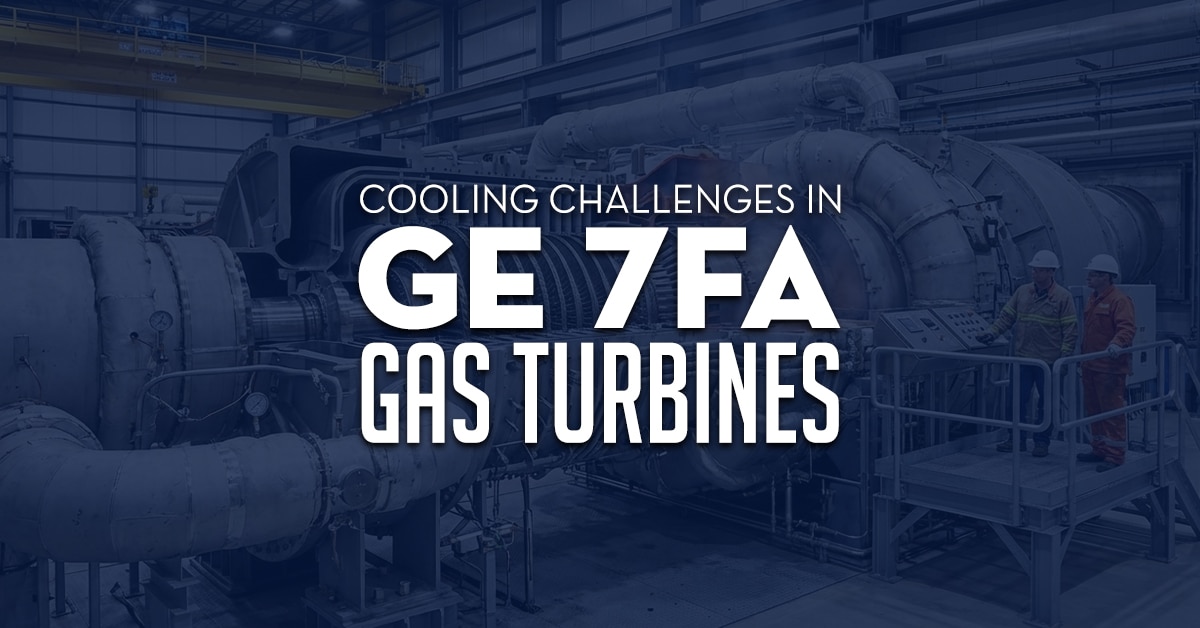
Cooling Challenges in GE 7FA Turbines
Think of a gas turbine like a high-performance engine in a race car — push it hard in summer heat without adequate cooling, and performance falls apart. For engineers and plant managers operating heavy duty gas turbines, thermal management is foundational to power output, component longevity, and operational reliability. GE’s 7FA model stands as one...
Learn More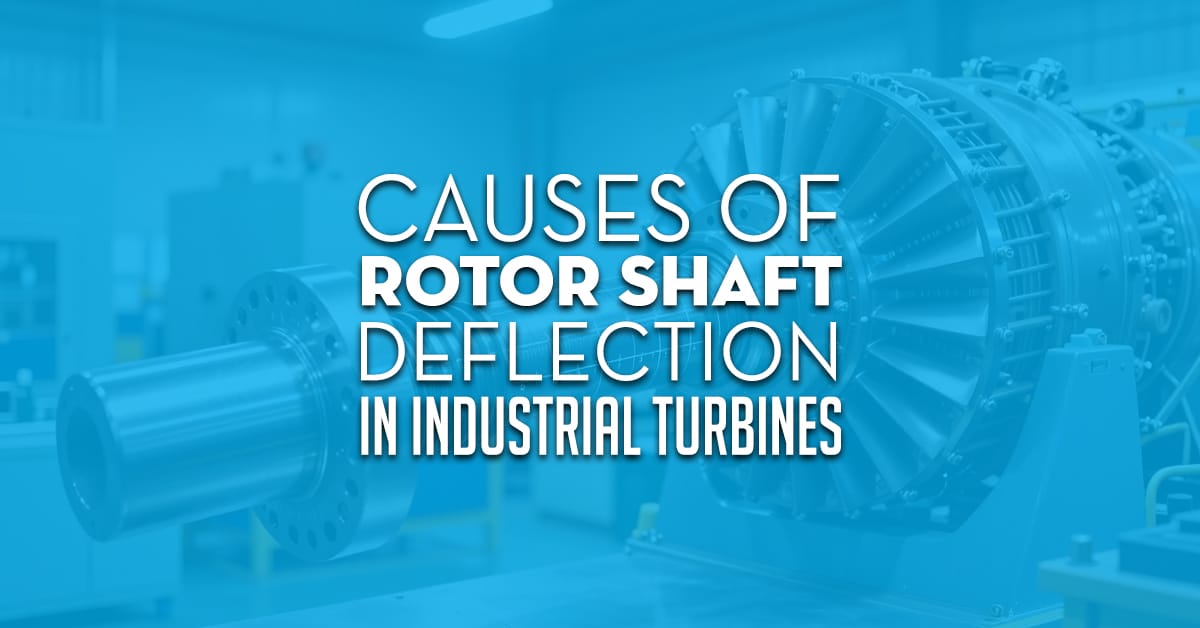
Causes of Rotor Shaft Deflection
We’ve dedicated years to working with industrial gas turbines, and rotor shaft deflection is a silent threat. Imagine a shaft spinning at thousands of revolutions per minute, bending slightly with each rotation. This bending is known as shaft deflection, a problem more perilous than many operators understand. The gravity of this issue is immense. A...
Learn More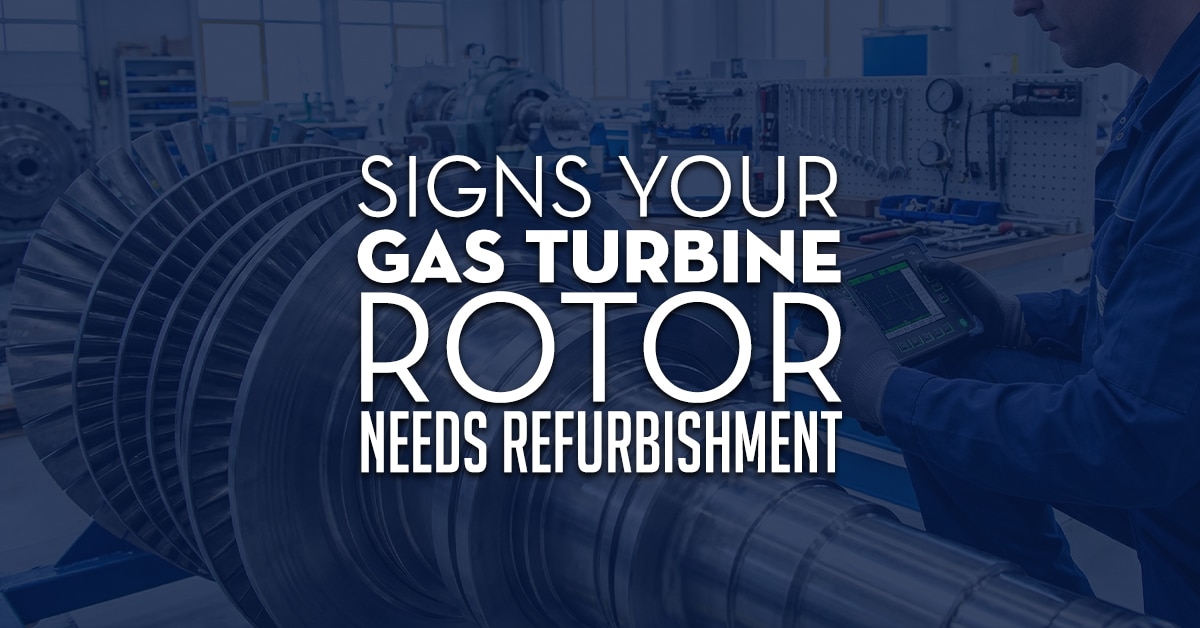
Signs Your Gas Turbine Rotor Needs Refurbishment
We’ve witnessed it too often — a gas turbine rotor sends out clear warning signs, yet teams are often caught off guard. It’s time to change this. Your gas turbine is the core of your power generation facility. With around 6,000 large frame-size units globally, about 60% are General Electric’s. Siemens Westinghouse and ABB Alstom...
Learn More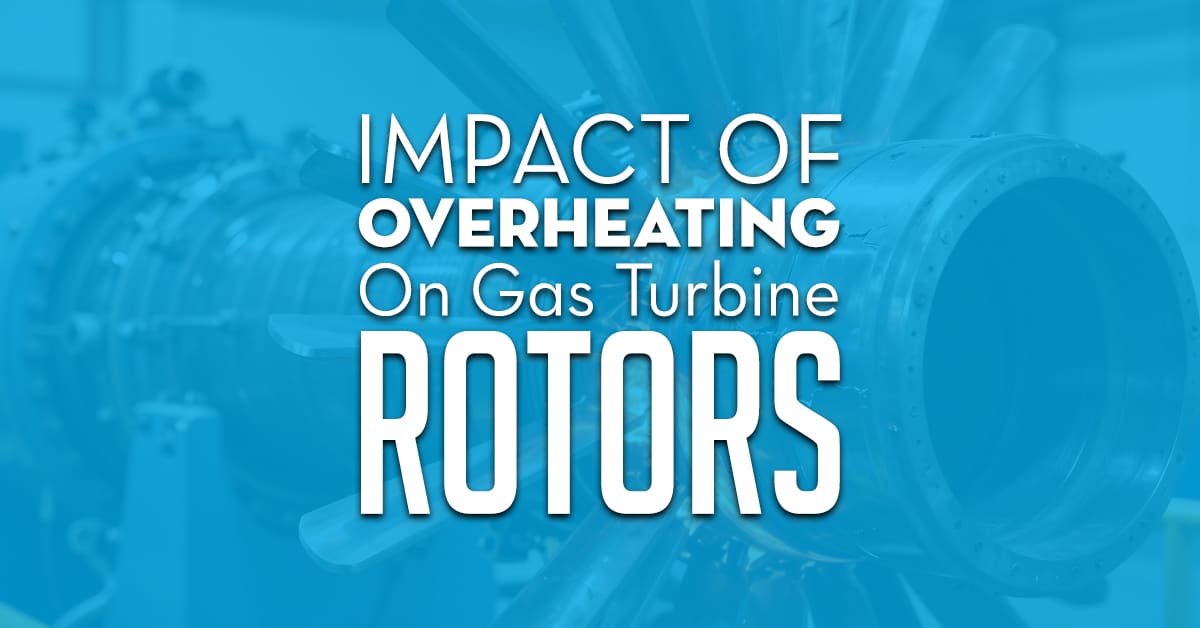
Impact of Overheating on Gas Turbine Rotors
Imagine the heat inside a gas turbine engine, where gas temperatures can reach up to 1800K — that’s about 3240°F. This is far beyond what the metal in rotor components can endure alone. To mitigate this, about 20% of compressed air at 800K is diverted for cooling, instead of being used for combustion. Every degree...
Learn More