

Your Power Partner
GE 7FA Combustion Liner Repair
The borescope report is open on your screen, and one image keeps pulling your eye back: coating loss, maybe a hairline crack near the cap, something that wasn’t there at the last inspection. What you need right now isn’t a tutorial. You need a clear answer: is this GE 7FA combustion liner still repairable, or are you watching a scrap part unfold in slow motion? That answer is best made by someone who reviews this exact failure mode every week.
That’s the gap our GE Frame 7F repair team exists to close, turning an uncertain finding into a clear, engineering-backed repair-versus-replace decision before you commit to another fired cycle. A 7FA gas turbine represents far too much dispatch revenue to leave to guesswork, and our repair capabilities extend across the full range of 7fa.04 components, not just the combustion section.
Key Takeaways
- Coating loss and hairline cracking can look similar on a borescope image but mean very different things for remaining liner life
- Running to the next scheduled outage on a misread finding can turn a repairable liner into a forced, unplanned replacement
- OEM-spec weld procedures and post-weld heat treatment matter more than the repair itself; skipping them creates new failure points
- Liner damage rarely stays contained. Transition pieces and downstream hot gas path hardware, including turbine blades and vane rows, are often next
- A short engineering assessment now preserves options that a delayed decision can eliminate entirely
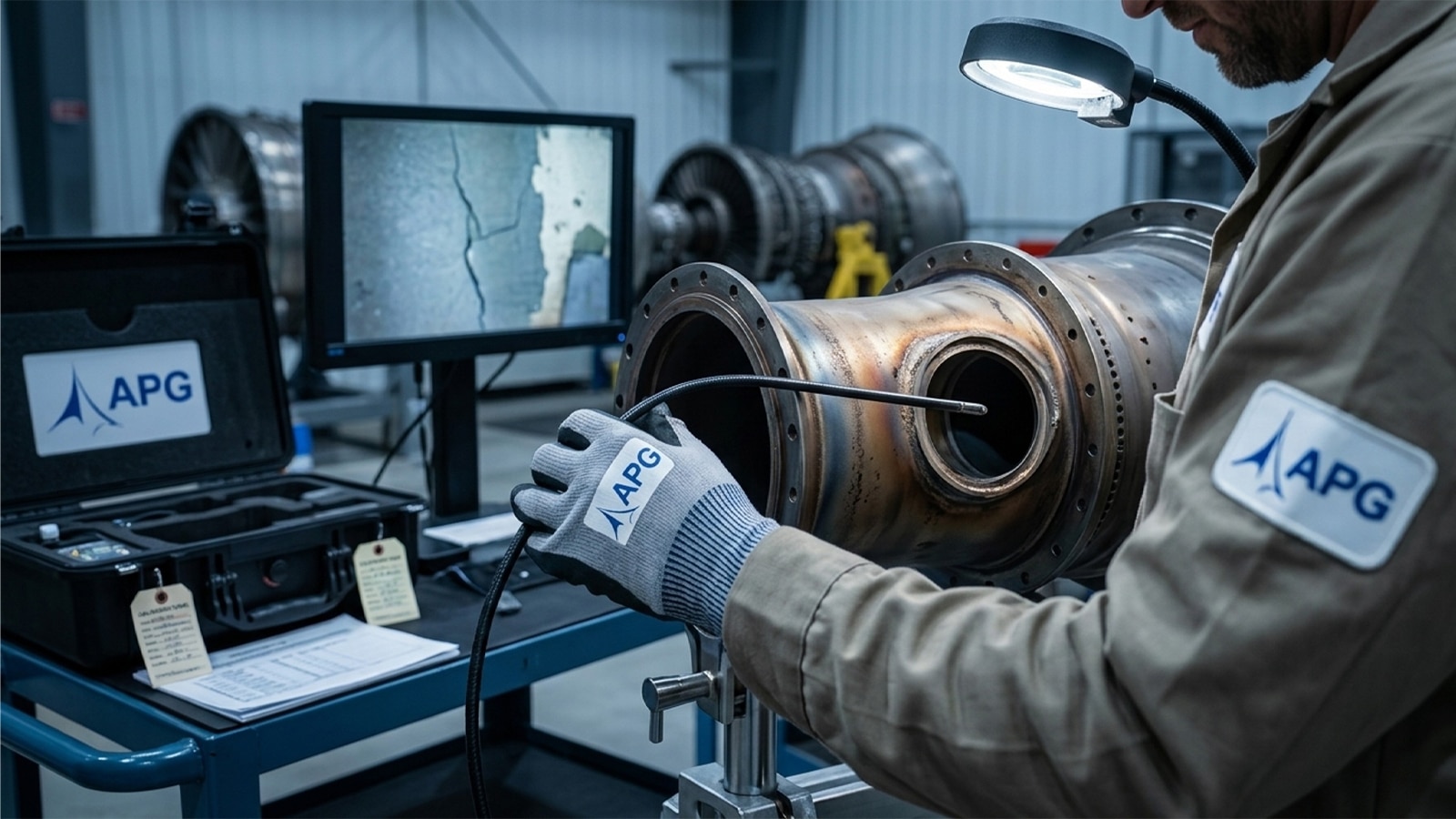
Combustion Liner Inspection: Coating Wear or Crack Propagagtion?
A borescope gives you a picture. It doesn’t give you a metallurgical answer. That gap matters more on a 7FA combustion liner than almost anywhere else in the gas turbine path, because the visual signs of surface coating wear and the visual signs of early crack growth can look a lot alike through a scope lens.
What a Borescope Can and Can’t Tell You
A trained eye can flag discoloration, spallation, or a visible crack line. What it usually can’t tell you is how deep that crack runs, whether it has already begun spreading through the base material, or how many fired starts remain before it breaks through the liner wall under load. Answering that requires cross-checking the finding against combustion dynamics data, thermal cycling history, and known failure patterns for that specific liner design and operating profile.
Why In-House Teams Often Stop Here
Most plant maintenance teams are excellent at running the unit and catching that something looks wrong. Fewer have routine access to the metallurgical testing or fleet-wide failure data needed to separate a cosmetic finding from a structural one. That’s not a knock on the team, it’s a different specialty. It’s also why a second set of eyes on the borescope data, before a decision gets made, tends to save far more than it costs, often the difference between reducing operating costs over the life of the unit and absorbing an avoidable forced-outage bill.
One plant operations team recently flagged coating loss and a suspected hairline crack near the liner cap during a routine borescope check, with the next planned outage still months out. Our engineering review found the crack had already progressed past the coating layer into the base alloy, a detail the borescope image alone could not confirm. The liner was pulled and repaired within days rather than left to run, avoiding what would likely have become a forced outage and a much larger gas turbine hot gas path repair scope.
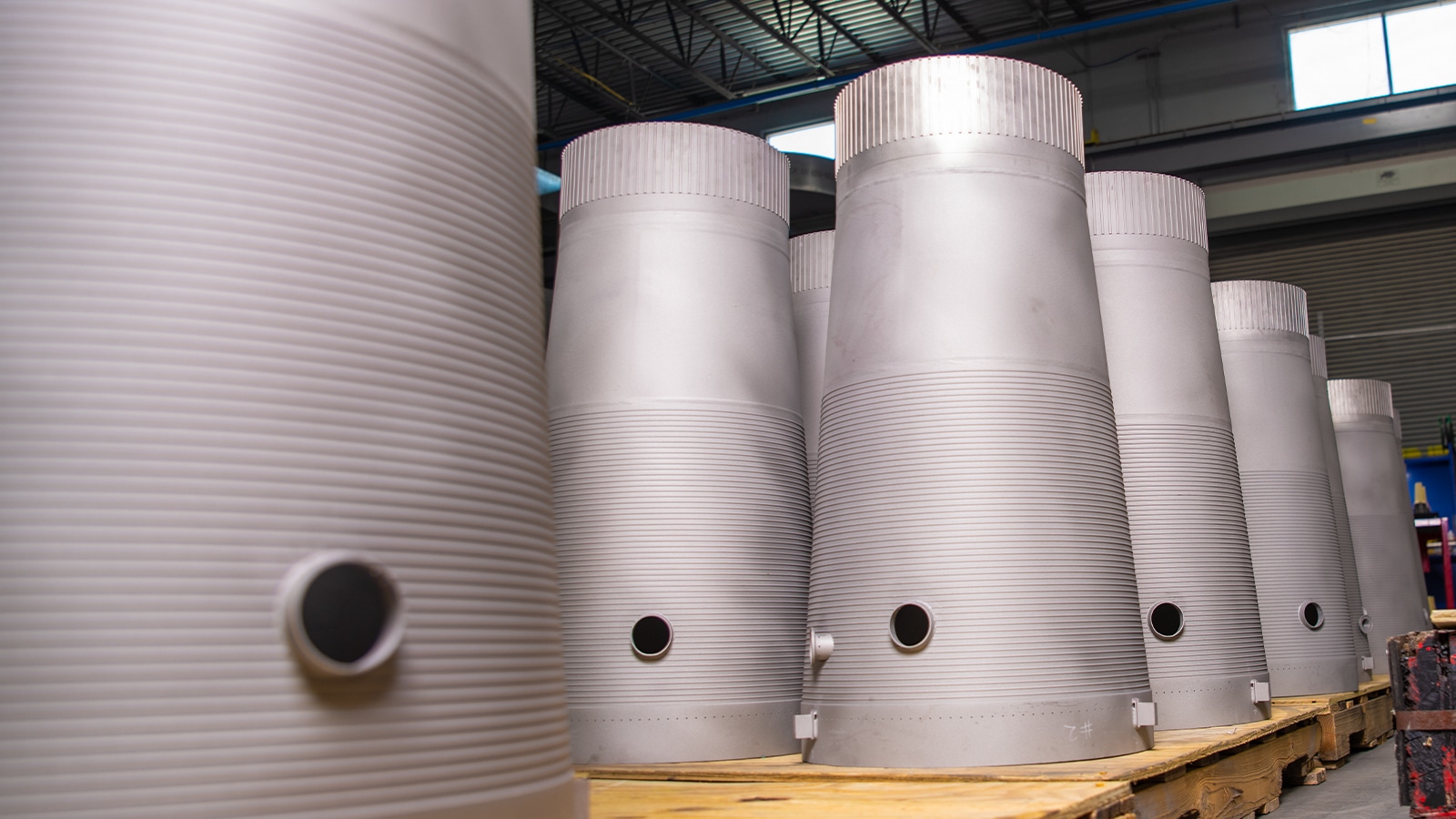
Repair Techniques and Repair Capabilities for a 7FA Combustion Liner
If a liner finding does turn out to be repairable, how it gets repaired matters just as much as the decision to repair it.
OEM-Spec Procedures Aren’t Optional
A weld repair done without OEM-spec procedures and proper post-weld heat treatment can look successful on the shop floor and still fail early in service. Without the right heat treatment cycle, a repair introduces residual stress points into the base material that often fail faster than the original damage would have on its own.
This is especially true on 7fa gas turbines, where combustion casing and liner geometry leave little margin for an imprecise repair process. A repair that skips root-cause diagnosis, whether the driver is combustion dynamics, thermal cycling, or a coating application issue, tends to come back within two or three fired starts, and the plant ends up paying for the same repair twice.
| Repair Approach | Best Suited For | Risk if Done Generically |
|---|---|---|
| Blend repair | Shallow surface defects, minor coating loss | Understates hidden crack depth |
| OEM-spec weld repair | Through-wall cracks, distortion | Residual stress without post-weld heat treatment |
| Weld restoration | Dimensional loss, worn liner cap areas | Poor fit-up, premature recurrence |
| Full replacement | Advanced crack propagation, scrap-level damage | No lower-cost path remains |
Combustion liners are just one of many hot gas path components we evaluate on 7FA units, and the same rigor applies across the fleet. Whether the finding involves a transition piece, a nozzle, a shroud, a vane, or a rotor showing early signs of distress, the approach stays the same: confirm the failure mode metallurgically, assess remaining service life, and recommend the most cost-effective path forward across the component’s lifecycle. Combustion components in particular tend to show oxidation and thermal barrier coating breakdown well before cracking becomes visible to the naked eye, which is exactly why borescope timing matters so much.
Our gas turbine component repairs cover the full scope of what a 7FA typically needs during a planned outage: weld repair on cracked liner panels and combustion casing, blend repair on minor airfoil erosion, dimensional restoration on distorted transition piece hardware, and blade tip restoration for stage buckets showing tip rub or creep elongation. Components that pass metallurgical screening are welded, machined, re-coated, and returned to OEM-comparable tolerances using precision tooling and proven repair techniques refined over years of fleet experience, with every weld restoration documented against original alloy specifications so your maintenance team has full traceability going into the next outage.
Conclusion
A borescope finding on a GE 7FA combustion liner puts you at a real fork in the road. Push the decision to the next outage and you might be fine, or you might turn a repairable component into an emergency replacement and a forced outage. The variable that actually changes the odds isn’t luck, it’s getting an accurate read on the liner’s real condition before you decide. That’s a narrow question worth answering by people who see this exact failure pattern regularly, not one to guess at internally under time pressure. Request a free GE 7FA combustion liner condition assessment and we’ll deliver a clear repair-versus-replace recommendation within 48 hours. Call (281) 444-3535.
Frequently Asked Questions
How can I tell if 7FA liner coating loss is cosmetic or structural?
Coating loss alone does not confirm structural risk, but it often precedes crack initiation if left in service. Metallurgical review of the finding alongside the unit’s thermal cycling and combustion dynamics history is the reliable way to tell the difference, not visual assessment through the borescope alone.
Is it ever safe to run a cracked combustion liner to the next planned outage?
Safety in that scenario depends entirely on the crack’s depth, location, and speed of growth, none of which a borescope image confirms by itself. Some cracks stay stable for a long time; others spread through a full combustion cycle within days. An assessment is what tells the two situations apart.
What happens if a combustion liner fails before a scheduled outage?
A liner failure before a scheduled outage typically forces an unplanned trip rather than a planned repair, and it can cause secondary damage to transition pieces or first-stage turbine hardware. That combination often turns a component-level repair into a much larger hot gas path overhaul, along with the availability penalties and lost dispatch value that come with any forced outage.
Why does post-weld heat treatment matter so much on a liner repair?
Post-weld heat treatment relieves residual stress that a weld repair would otherwise leave in the base material. Without it, those stress points often fail faster than the original damage did, which is why a repair without proper procedure can end up costing more than doing nothing at all.
How does Allied Power Group evaluate a 7FA combustion liner?
The evaluation starts with a review of your borescope or inspection data, checked against known 7FA failure modes and the unit’s operating history. From there, we provide a clear repair-versus-replace recommendation, typically within 48 hours, so you’re deciding based on the part’s actual condition rather than a generic assumption.
If you’re staring at a borescope image right now and weighing whether it can wait, that’s exactly the situation this assessment is built for. Send us your inspection data and we’ll get you a straight answer, repair or replace, within 48 hours. Call (281) 444-3535 whenever it’s convenient to talk it through.